Our partners in IVF clinics are recognized and successful leaders in Ukraine in the field of reproductive medicine, equipped with the latest equipment, and can be compared to leading EU and US clinics.
Doctors working at Dreamchild Partner Clinics are top-level specialists in reproductive technology, infertility and embryology.
Similar IVF programs in the US, EU, Canada, Spain, Israel and other countries are much more expensive than in Ukraine.
Dreamchild offers superior service and quality medical services, comparable to the above countries, at a much cheaper price!
To achieve your pregnancy and the results that will please you, Dreamchild will offer you an effective treatment plan tailored for you by our partner infertility clinics in Odessa!
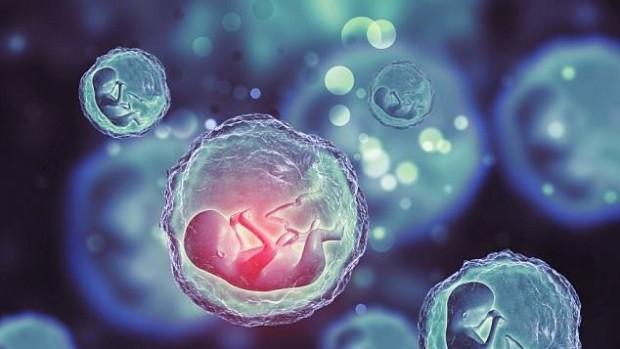
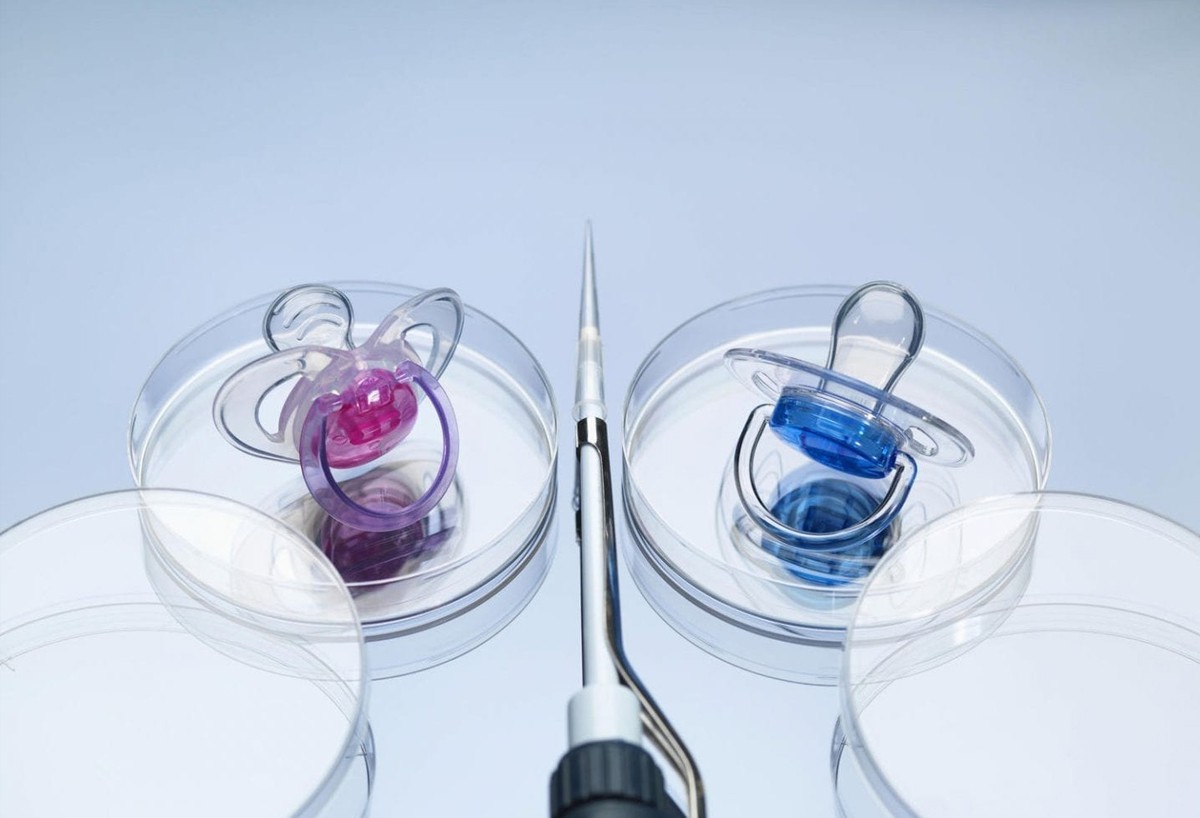
CONTACT USMany infertile families find solutions to the problem with IVF + ICSI and assisted reproductive technologies that make them happy parents. During IVF, the egg is taken from the female body and artificially fertilized "in vitro", the resulting embryo is stored in a special incubator, where it develops for 2-5 days, after which the embryo is transferred to the uterus for further development.
The IVF method can also help men with infertility, in cases of abnormal sperm count. ICSI is also used for low sperm counts. If semen is not naturally available, the embryologist may prescribe a procedure for semen removal, such as testicular biopsy or microdissection.
Despite artificial insemination, embryos derived using ICSI are normally developing, and infants born as a result of IVF using ICSI do not differ in their physical and mental abilities from children conceived naturally.
Ovulation stimulation is monitored by a doctor, as continuous monitoring of the ovaries and the control of possible side effects are required.
Ovulation stimulation can be performed by a short and long protocol.
Short protocol stimulation coincides with the duration of a woman's monthly cycle. It starts on day 2-5 from the beginning and lasts for 17 days. There are two types of stimulation with gonadotropins: antagonists of the hormone releasing hypothalamus and agonists.
Most women note that ovulation stimulation does not cause them discomfort or discomfort.
For safety reasons, a woman should be in the clinic at least 30 minutes before the procedure to have a cardiogram and talk to the anesthesiologist about possible allergies, and to inform the doctor about any medications she is taking and any other issues with health.
Last but not least, women should not eat or drink anything from the night before the procedure.
Factors affecting these parameters and the speed of further embryo development are the quality and maturity of oocytes and sperm, as well as the quality of the treatment and incubation of cells in the laboratory.
From the rest of the embryos, after transfer, choose the best quality and healthiest at a certain stage of development. Usually freeze embryos in the stage of the zygote (with 2, 4 or 8 cells) or blastocysts.
Before freezing, the water is removed from the embryo because it is capable of forming ice crystals that burst the cells from the inside and form salts that are harmful to the embryo.
The embryo is first placed in a special buffer solution, and after 5-10 minutes it is transferred into a penetrating cryoprotectant.
As a result of the dehydration process, the embryo first shrinks rapidly, and when the cryoprotectant replaces water, it expands again. After this procedure, it is ready to freeze.
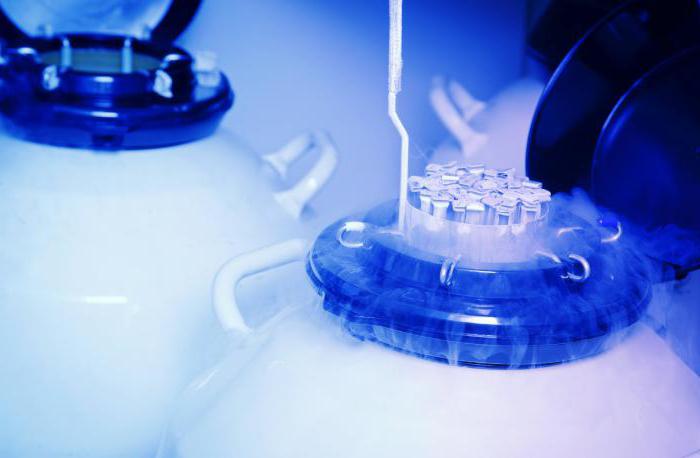
The embryos are placed in special pre-cooled polymer or glass tubes and placed in canisters. Each tube contains from one to 4 embryos, considering how many are to be thawed and replanted in the future. Canisters are lowered into liquid nitrogen tanks, the so-called Dewar vessels. Storage temperature reaches -196 ° C.
The shelf life of embryos is almost unlimited. There are known cases of successful replanting and fetal development after 10 years of cryopreservation.